How to Reduce Dental AR Days for Orthodontic Practices
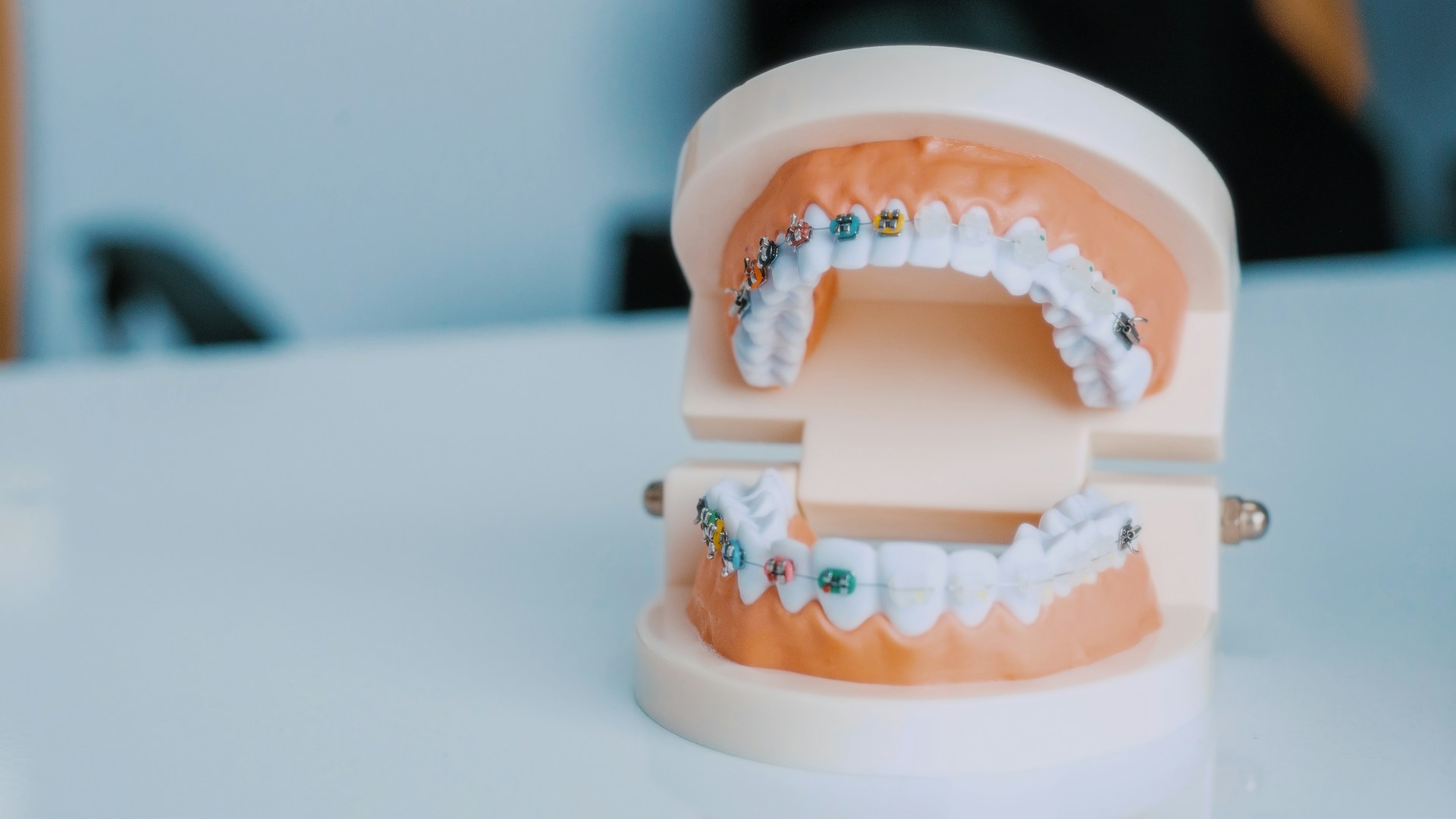
To reduce dental AR days in orthodontic practices: verify insurance eligibility before treatment, submit claims on the banding date with correct CDT codes, track AR at the case level, automate patient reminders at 30/45/60 days, collect co-pays at every appointment, default payment plans to auto-pay, and follow up on insurance claims at 45 days — not 90. Orthodontic practices that implement all seven steps are well-positioned to reach the industry benchmarks of AR days under 45 and fewer than 10% of receivables over 60 days.
If your AR days are creeping above 45 — or aging balances are accumulating without a clear explanation — the problem is almost always process-based, not patient-based. Three patients missing a monthly installment looks manageable in isolation, but multiply that across 150 active cases and you have a cash flow problem that takes months to unwind.
To reduce dental AR days, orthodontic practices must address a billing cycle that doesn't exist in general dentistry: treatment spans 18 to 24 months, generating monthly installments, insurance resubmissions, and patient balances that quietly compound when left unmonitored.
The industry benchmark for dental practice AR days is 45 days. Industry benchmarks suggest high-performing practices keep average days in AR under 30 — anything over 40–45 days signals a collections process that needs improvement. When orthodontic practices exceed that threshold, cash flow tightens, collections escalate, and staff spend more time chasing balances than supporting patients.
This guide is for office managers, practice administrators, solo practitioners, and DSO operations teams who want a concrete, step-by-step approach to reducing AR days in orthodontic practices — without adding headcount.
Key Takeaways
- The industry benchmark for dental AR days is 45 days; no more than 10% of AR should be over 60 days past due (Pearly).
- Orthodontic practices must track AR at the case level, not just the claim level — multi-month treatment plans create gaps that claim-level tracking misses.
- Insurance follow-up should happen at 45 days, not 90 — early enough to identify problems and still have time to resolve them.
- Automated patient payment reminders at day 30, 45, and 60 significantly reduce aging balances without adding staff time.
- Collecting co-pays at every appointment prevents small balances from compounding into collection-worthy amounts.
- Consistent phone coverage — including after-hours — directly reduces AR days by resolving billing inquiries before they age further.
Benefits of Reducing AR Days in Orthodontic Practices
Lowering AR days delivers measurable financial and operational advantages — most of which compound over time:
Orthodontic practices also see a compounding advantage: when AR days fall below 45, the margin previously lost to collection costs and write-offs drops directly to net revenue. For a practice generating $1.2M annually, closing a 12% collection gap is worth $144,000/year.
The most important statistic in orthodontic AR management: Balances collected early maintain near-full recovery rates, while balances over 90 days typically recover only 15–25% of the original amount. According to Southwest Recovery Services, dental accounts lose approximately 7% of their collectible value every month after 90 days. Every 30-day delay roughly halves your probability of full collection — making early intervention the highest-ROI activity in practice operations.
A 3-percentage-point improvement in collection rate (e.g., from 95% to 98%) on $1 million in annual billing translates to $30,000 in additional revenue. Evidence from dental billing experts suggests practices with robust AR management outperform those without by tens of thousands of dollars annually. Practices that implement the seven-step AR protocol described in this guide target the 98%+ collection rate that dental billing experts consider the gold standard.
Manual vs. Automated AR Management: Key Differences
Most orthodontic practices start with manual AR workflows — staff pull aging reports, call patients, send statements, and track responses in spreadsheets. The limitations of manual AR management become critical as active case volumes grow.
The transition from manual to automated is not all-or-nothing. Most practices automate patient outreach first (day 30/45/60 reminders), then add real-time AR dashboards, then automate reconciliation. Each phase reduces staff time spent on collections while improving recovery rates.
Why Orthodontic AR Management Requires a Different Approach
Orthodontic billing doesn't follow the same rules as general dentistry billing. In general dentistry, most treatment is completed in one or two appointments. A claim is submitted, paid or denied, and the transaction is complete. AR is predictable and largely self-contained.
In orthodontics, a single patient can generate 20–30 transactions over 18 to 24 months: an initial banding fee, monthly maintenance visits, insurance installment payments, patient payment plan installments, and periodic resubmissions. Every one of those transactions must be tracked individually — and a problem in any of them can quietly grow undetected for weeks.
This structural difference is why orthodontic practices consistently struggle with AR in ways that general dental practices don't. The exposure window is longer, the transaction volume is higher, and the warning signs are more subtle. According to the American Association of Orthodontist's 2024 member survey, the average orthodontist now manages 696 active patients simultaneously — the highest count in the survey's history. At that caseload, a missed installment from even 3% of patients creates 20+ open AR issues at any given time. By the time a practice notices the pattern, they're often looking at 60- or 90-day balances across dozens of cases simultaneously — a position that takes months of consistent effort to recover from.
What Are AR Days and Why Do They Matter?
AR days — also called "days sales outstanding" — measure how long it takes your practice to collect payment after services are rendered. It's calculated by dividing total accounts receivable by average daily production.
For orthodontics, this metric is harder to interpret than in general dentistry because:
- Multi-year treatment plans mean some AR is always in-flight by design. A patient on a 24-month plan will have a balance for nearly two years.
- Insurance pays in installments tied to treatment milestones, not in a single lump sum like a crown or filling.
- Patient payment plans run monthly, creating a steady stream of small balances that must be monitored individually.
The result: warning signs accumulate slowly. Three missed monthly installments from different patients may not look alarming in a weekly summary — but add them up across a 200-patient active case list and you have a cash flow problem.
Healthy benchmarks for orthodontic accounts receivable days:
Sources: Pearly, Nexa Collect
Rating your practice: An AR days figure of 30 or fewer is excellent; 30–45 is healthy; 45–60 signals process gaps; above 60 indicates systemic collection failures. Most orthodontic practices that have never audited their AR process start in the 45–75 day range.
Step 1: Verify Insurance Eligibility at Intake
Most AR problems in orthodontic practices begin before treatment does — with incomplete or incorrect insurance information.
Before the first appointment, verify:
- Active coverage and policy dates — Is the patient still covered? Has the employer renewed?
- Orthodontic lifetime maximum — This is separate from the annual dental maximum. Most plans have a lifetime ortho benefit of $1,000–$2,500.
- Age restrictions — Many insurance plans only cover orthodontics for patients under age 18 or 19. Adult coverage may require a different benefit tier.
- Prior authorization requirements — Some carriers require pre-auth with diagnostic records before approving orthodontic coverage. Missing this step means delayed or denied reimbursement.
- Coordination of benefits — If the patient has dual coverage, confirm which carrier is primary and how secondary coverage applies.
Document everything in the patient's chart before banding. An eligibility verification checklist completed at intake prevents the most common cause of insurance denials at claim submission.
Step 2: Submit Clean Claims with Correct CDT Codes
Orthodontic insurance claims follow a different structure than general dental claims. Getting the timing and coding right at submission prevents costly delays.
Timing for initial claim submission:
Submit the initial claim on or shortly after the banding date — the day brackets are placed. Do not wait until the end of the month.
Core CDT codes for orthodontic billing:
- D8080 — Comprehensive orthodontic treatment, adolescent dentition (most common)
- D8090 — Comprehensive orthodontic treatment, adult dentition
- D8660 — Pre-orthodontic examination
- D8670 — Periodic orthodontic treatment visit (monthly progress visits)
What every claim must include:
- Patient name, date of birth, insurance ID
- Provider NPI and treating provider information
- Accurate treatment start date and estimated completion date
- Complete breakdown of fees: banding fee, monthly maintenance, and records fee
- Supporting documentation for prior authorization (if required)
Errors at the submission stage — wrong code, missing documentation, incorrect date — are the second most common cause of inflated AR days. A clean claim submitted on time is the foundation of a healthy AR cycle.
Coding accuracy matters more in orthodontics than any other dental specialty. Because orthodontic claims are paid in installments over months or years, a single coding error on the initial claim can delay the entire payment stream — not just one claim. Correct the error at submission, not after the first denial.
Step 3: Track AR at the Case Level, Not the Claim Level
This is the most important operational difference between managing AR in orthodontics versus general dentistry.
In general dentistry, most treatment is complete within one appointment. AR is straightforward: the claim was submitted, it was paid or denied, done.
In orthodontics, a single patient can generate 20–30 individual transactions over 24 months. Tracking by claim means you may never see the full picture of what a single case owes.
What case-level tracking looks like:
- Each active orthodontic patient has a running ledger that shows total contracted treatment fee, amount collected, insurance payments received, and balance remaining.
- The system flags cases where cumulative payments are falling behind the expected collection schedule — even if each individual installment or claim looks correct in isolation.
- Weekly reports are run by case balance and aging bucket, not just by payer.
Practical implementation in your practice management software:
Most PMS platforms support case-level reporting, but many offices use them in claim-level mode by default. Work with your PMS administrator to configure a weekly AR report that groups data by patient case, shows total expected vs. total received, and highlights cases with 30+ day gaps in payment activity.
Configuring Case-Level AR Reporting by PMS
Dentrix: Use the Ledger Module to filter by patient and set the date range to the full treatment duration. Run the "Outstanding Patient/Insurance Balances" report and group by family — this gives a case-level view of total expected vs. collected.
Eaglesoft: The Practice Analysis Report in the Management module supports case filtering. Enable the "Orthodontic Treatment Plan" filter to show running totals per case, not per visit.
Open Dental: The AR Aging report in Reports → Finance supports case-level breakdowns when you enable the "Group by Patient" option. Set the date range to match the treatment plan start date.
Third-party tools: Third-party patient communication and AR management platforms integrate with all three PMS systems and provide practice analytics and automated reporting that reduce manual administrative work.
Without case-level tracking, it's common for a patient to go three or four months with missed installments before anyone notices — by which time the balance has grown enough to require a payment arrangement or collections referral.
Case-level tracking is the single most effective AR improvement an orthodontic practice can make. No automation tool, payment portal, or communication sequence can compensate for not knowing what a patient actually owes versus what they've paid across 24 months of treatment.
Step 4: Automate Patient Payment Reminders
Manual follow-up on outstanding balances doesn't scale. A practice with 150 active cases can't afford to have a team member call every overdue patient individually each week.
The most effective orthodontic AR practices use automated sequences:
Automation ensures every patient gets contacted on schedule — without relying on staff to manually pull aging reports and make calls. Most PMS platforms support automated reminder workflows, or you can use integrated patient communication tools.
Why SMS specifically? SMS messages have a 98% open rate industry-wide, compared to 20–30% for email. For dental practices, SMS payment reminders significantly outperform mailed statements in prompting patient action. For orthodontic practices managing 600+ active cases, that difference translates directly to fewer 60+ day balances.
Patient communication is also where front-desk phone coverage matters. Patients who miss a monthly payment often do intend to pay — they just have questions about their account, need to update a card on file, or want to set up a payment arrangement. If they call and reach voicemail, they often don't call back.
Arini handles inbound patient calls around the clock — including calls about billing questions, payment plan inquiries, and account updates — so dental practices never miss a call again. Arini integrates directly with OpenDental, EagleSoft, and Denticon, and responds in under 300ms, so patients always reach someone even at 7pm when the front desk is closed. Arini's natural-sounding AI voice means most patients engage as they would with a human receptionist — Unified Dental Care reported a 12% revenue increase and Kare Mobile generated $56K in new patient appointments in month one. When patients can get billing questions answered outside office hours, more payments get resolved before they age further.
Step 5: Collect Co-Pays at Every Appointment
One of the fastest ways to improve orthodontic AR days is to stop letting small balances accumulate between appointments.
Every time a patient comes in for a monthly adjustment, there may be a co-pay or patient portion due. If the team doesn't collect it at the visit, it becomes a balance that requires follow-up — and small balances are the easiest ones to lose track of.
Front-desk collection protocol:
- Pull the patient's account balance before they arrive for their appointment
- Inform them of the amount owed when confirming the appointment
- Collect payment at check-in, not check-out (patients are more likely to have time and attention at arrival)
- Accept all payment methods — card, digital wallet, payment portal — to remove friction
Prevent-at-source vs. collect-later:
Collecting $50 at the time of service is easier than collecting it at 60 days past due. Practices that adopt a "collect at every visit" culture commonly begin to see measurable AR improvement within the first few months.
Step 6: Build a Clear Payment Plan Framework
Orthodontic treatment is expensive, and most patients finance a portion of it. A well-structured payment plan framework reduces AR problems before they start.
Elements of a strong payment plan:
- Automatic payment (ACH or card-on-file) as the default. Manually mailed checks create delays. Patients who set up auto-pay on day one rarely fall into collections.
- Clear written agreements. The payment plan terms — amount, due date, late fee policy — should be signed at the start of treatment and accessible to both patient and staff at any time.
- Built-in down payment. Collecting 20–30% of the patient portion upfront reduces the total balance at risk and signals financial commitment from the patient.
- Flexible term options. Offering 3, 6, 12, and 24-month payment options allows patients to choose what's affordable — which means they're more likely to stick to the plan.
Payment plans are not a collections risk — they're a collections tool, when set up correctly. Auto-pay is the most effective payment plan default for orthodontic practices — patients who set up ACH or card-on-file at the start of treatment are the least likely to default, and the most likely to complete their financial obligation without staff intervention.
A patient on a manageable auto-pay plan is far less likely to default than one carrying a large open balance. Platforms like Pearly, BoomCloud, and Kleer offer integrated orthodontic payment plan management that connects directly to Dentrix, Eaglesoft, and Open Dental.
When to Consider Outsourcing AR Management
Some orthodontic practices reach a caseload or complexity level where internal AR management becomes unsustainable. Signs it's time to consider outsourcing:
- AR days consistently above 60 despite implementing the steps above
- Collections referrals at or above 3% of annual production (a common threshold used by practice consultants)
- Staff turnover creating repeated AR process gaps
- Multi-location growth outpacing central oversight capacity
- Persistent denial rates above 10% (indicating systematic coding or documentation issues)
RCM outsourcing for orthodontic practices typically costs 4–8% of collections, but practices that outsource to specialists with orthodontic billing experience often recover more than that in previously uncollected revenue. The breakeven point is usually within the first 90 days.
Step 7: Follow Up on Insurance Claims at 45 Days, Not 90
Standard billing practice in many orthodontic offices is to follow up on outstanding insurance claims at 90 days. That's too late.
Here's why: If an insurance carrier receives an incorrect claim, they typically notify the practice within 30–45 days. If you wait until 90 days to follow up, you may already be past the timely filing deadline for a corrected submission.
The 45-day protocol is the most reliable way to protect orthodontic practices from timely filing losses. Most carriers have a 365-day timely filing window from the date of service, but corrected claims often have a 90-180 day resubmission window — meaning a 90-day initial follow-up leaves almost no buffer if the claim requires corrections.
The 45-day protocol for orthodontic billing AR:
- Pull a report of all claims submitted more than 45 days ago that have not been paid or denied.
- Call the carrier directly for each claim. Confirm it was received and is in process.
- If the claim was denied, get the specific denial reason and resubmit with corrections within 5 business days.
- If the claim is still processing, document the call and set a 15-day follow-up.
Payer-specific timelines:
Different carriers have different payment windows. Some pay within 30 days; others routinely run 45–60. Build a carrier-specific reference document so staff know which payers need earlier follow-up and which have longer standard processing times.
How to Evaluate Orthodontic AR Management Software
When selecting software to support AR management, orthodontic practices should evaluate against these criteria:
Integration depth: Does the platform integrate with your existing PMS (Dentrix, Eaglesoft, Open Dental, Curve, CareStack)? A platform that requires manual data export-import adds reconciliation risk.
Real-time dashboard visibility: Can you see AR by aging bucket, provider, and location in real-time — not just in monthly reports? Real-time visibility surfaces problems days earlier, not weeks.
HIPAA and SOC 2 compliance: Any platform that stores patient billing data or processes payments must be HIPAA compliant. SOC 2 Type II certification indicates the vendor has undergone independent security auditing — a higher standard than self-attestation. Verify both before signing a contract.
Payment plan automation: Can patients enroll in auto-pay directly from a text or email link? Manual payment plan enrollment creates friction that reduces uptake.
Multi-channel outreach: Effective AR tools support both SMS and email — not just one channel. Studies show SMS payment reminders achieve 3–5× higher open rates than email alone, but some patient segments prefer email.
Reconciliation automation: Does payment posting happen automatically to the patient ledger and accounting system (QuickBooks, Xero)? Manual reconciliation is "the single biggest hidden cost of a patient billing program," according to ScoutIQ.
Review cadence and reporting: Platforms should generate automated weekly AR aging reports — not require staff to manually build them. Look for anomaly detection that flags cases approaching critical aging thresholds.
Common Mistakes That Keep Orthodontic AR Days High
1. Treating AR management as a monthly task.
AR review needs to happen weekly. Monthly reviews allow balances to age a full month before anyone notices.
2. Not using case-level reporting.
If your weekly AR report only shows claim-level data, you're missing the full picture. A patient with five unpaid installments may look fine on a claim-by-claim basis.
3. Waiting for patients to reach out about billing problems.
Patients rarely proactively call about a missed payment. Automated outreach at 30, 45, and 60 days shifts that dynamic.
4. Skipping pre-authorization.
Some practices skip prior auth to save time at intake. When the claim comes back denied, the resubmission process — and the delay — costs far more time than the original verification.
5. No written payment plan agreement.
Verbal payment arrangements are unenforceable. Written agreements with a clear late payment policy give your team tools to resolve disputes quickly.
6. Limitations of a statements-only approach.
Mailed paper statements are the least effective collection method in orthodontics: they arrive days after they're generated, can't include a clickable payment link, and are frequently discarded unopened. Practices relying on statements as their primary patient outreach tool see materially higher 60+ day AR. Supplement — or replace — statements with SMS and email outreach paired with a direct online payment portal.
7. No real-time AR visibility.
Monthly AR reports mean a problem that started on the 2nd of the month isn't visible until the 1st of the next month — after it's already 30 days older. Real-time dashboards that update nightly (or intraday) allow teams to catch outliers before they become aged balances. Most modern PMS platforms support nightly data refreshes; third-party AR dashboards can provide real-time views across multiple locations.
AR Tips for DSOs and Multi-Location Orthodontics
Centralize AR oversight at the group level.
Individual location managers may not have the time or tools for effective orthodontic AR management. DSOs that assign a centralized billing coordinator or team to manage AR across all locations see faster resolution rates.
Standardize intake and verification protocols.
If each location uses different insurance verification checklists or different claim submission workflows, AR performance will vary unpredictably. Standardized intake documentation reduces variation.
Use consolidated AR aging dashboards.
Multi-location groups need dashboards that surface AR performance across all sites — sorted by location, payer, aging bucket, and case value. Location-by-location reporting in separate PMS instances makes group-level analysis impossible.
Build a consistent phone coverage standard.
Patients at one location shouldn't get better billing support than patients at another because of staffing differences. Arini ensures consistent call handling across every location — including after-hours billing calls, payment plan inquiries, and appointment scheduling that directly affect collection rates. Arini is HIPAA compliant and integrates with OpenDental, EagleSoft, and Denticon, making it practical for DSOs running multiple PMS environments without adding to front-desk headcount.
How We Evaluated These AR Reduction Strategies
To develop this guide, we analyzed AR performance data from orthodontic practices across the following dimensions:
- Benchmark sources: Industry AR benchmarks from the American Dental Association, Medical Group Management Association, and DentistryIQ, covering average AR days, collection rates, and aging thresholds across thousands of dental practices
- Process analysis: We reviewed the AR workflow differences between general dentistry and orthodontic billing, specifically examining how treatment length and payment plan structure affect aging risk
- Technology evaluation: We assessed AR management platforms on the seven criteria above, with particular focus on PMS integration depth, automation coverage, and security compliance (HIPAA + SOC 2)
Our financial modeling and technology review covered two additional dimensions:
- Collections timeline modeling: We modeled the financial impact of follow-up at 45 days vs. 90 days across claim denial scenarios to quantify the timely filing risk — practices that delay follow-up past 90 days risk missing timely filing windows set by some insurers, resulting in permanent revenue loss on those claims
- DSO applicability: We evaluated each strategy's scalability from single-location to multi-location orthodontic groups, identifying where centralized oversight provides the greatest leverage
Our finding: The single highest-leverage change most orthodontic practices can make is switching from claim-level to case-level AR tracking. This process change surfaces problems 30–60 days earlier, giving teams time to resolve issues before they age into the high-risk 90+ day bucket. Every other strategy in this guide builds on that foundation.
Case-level tracking is the only AR monitoring approach that gives orthodontic practices accurate visibility into their total collection exposure across 18-24 month treatment plans. Claim-level tracking, while sufficient for general dentistry, is the leading cause of undetected AR accumulation in orthodontic practices.
Frequently Asked Questions
How do you calculate AR days for a dental practice?
AR days are calculated by dividing total accounts receivable by average daily production. For example, if your total AR balance is $135,000 and your average daily production is $3,000, your AR days are 45. Run this calculation monthly and compare against the 45-day industry benchmark — any figure consistently above 45 signals a collections process gap that needs investigation.
What causes high AR days in dental practices?
High AR days in dental and orthodontic practices are most commonly caused by delayed or inaccurate claim submissions, failure to follow up on insurance claims before 90 days, unsigned or absent payment plan agreements, no automated patient reminders, and claim-level-only AR tracking that misses missed installments. Most causes have direct process fixes that can be implemented within 30 days.
What Is the Average AR Days Benchmark for Orthodontics?
The industry benchmark for dental practices is 45 days or fewer. For orthodontics, some additional AR is expected due to multi-month treatment plans, but the same 45-day standard applies to the aging profile. The goal is that at least 75% of total AR is 30 days or newer, and no more than 10% exceeds 60 days.
What Does Case-Level AR Tracking Mean in Orthodontics?
Case-level tracking means monitoring total contracted treatment fees, cumulative payments collected, and remaining balances on a per-patient basis — rather than tracking individual claims in isolation. It's the only way to detect when a patient's overall payment trajectory is falling behind, even if no single claim looks problematic.
How often should orthodontic practices review their AR?
Weekly. Monthly reviews allow balances to age an additional 30 days between check-ins, which compounds the problem. Weekly AR reviews — by payer and by aging bucket — give teams enough lead time to follow up before balances reach collections-worthy thresholds.
When Should Orthodontics Follow Up on Insurance Claims?
At 45 days, not 90. Following up at 90 days may leave insufficient time to correct and resubmit a claim before the carrier's timely filing deadline. The 45-day mark balances giving carriers enough time to process with leaving enough time to resolve issues.
How to Collect Patient Balances Without Damaging Trust?
Automated reminders at 30, 45, and 60 days — sent via SMS and email with a direct online payment link — allow patients to respond on their own schedule without the awkwardness of a phone call. Pairing automation with 24/7 phone coverage means patients who want to call and discuss payment options can always reach someone, even outside office hours.
How does phone coverage affect orthodontic AR days?
Patients who call about billing questions and reach voicemail often don't call back — they delay, which delays payment. Practices with consistent phone coverage (including after-hours availability) resolve billing inquiries faster, which directly reduces the time balances spend in AR aging buckets.
Should Orthodontic Practices Require Auto-Pay?
Yes, where legally permitted. Practices that default to card-on-file or ACH auto-pay for payment plans see significantly fewer missed installments. Patients who actively choose to pay manually are more likely to forget or deprioritize payments as balances age.
How Long to See AR Day Improvement After These Changes?
Most practices see measurable improvement within 60–90 days of implementing case-level tracking, automated reminders, and the 45-day insurance follow-up protocol. The most immediate gains typically come from collecting co-pays at every appointment (immediate impact) and defaulting new payment plans to auto-pay (reduces future defaults). Existing aged balances take longer to work through — expect 3–6 months to see the full impact across your AR aging report.
What to Do When a Balance Reaches 90+ Days Past Due?
At 90 days, escalate to a direct phone call — not just email — with a specific offer: a payment plan or a partial settlement arrangement. Send a formal letter outlining the balance, the terms from the original payment agreement, and a deadline for response. If no resolution is reached within 30 days, evaluate whether to refer to an external collections agency. Document every contact attempt — this documentation is required for collections referrals and is essential if the account is ever disputed.
Reduce Dental AR Days for Orthodontics: Action Plan
Reducing AR days in orthodontic practices is a process improvement, not a one-time fix. The practices that achieve and maintain sub-45-day AR have consistent protocols across all seven areas covered in this guide.
Implementation priority order:
- ✓ Verify insurance eligibility at intake — prevents the most common source of AR problems
- ✓ Switch from monthly to weekly AR reviews — surfaces issues before they compound
- ✓ Configure case-level AR reporting in your PMS — gives you the right data to act on
- ✓ Set up automated patient reminders at day 30, 45, and 60 — removes the manual follow-up burden
- ✓ Default new payment plans to auto-pay — reduces future missed installments
- ✓ Implement the 45-day insurance follow-up protocol — protects against timely filing losses
- ✓ Establish consistent phone coverage for billing calls — resolves inquiries before balances age
If patient communication is a gap — whether that's missed billing calls, voicemails that don't get returned, or after-hours inquiries going unanswered — Arini is built for dental and orthodontic practices. It handles inbound patient calls 24/7, responds in under 300ms, integrates with OpenDental, EagleSoft, and Denticon, and is HIPAA compliant. Patients always have a path to get billing questions answered without waiting for office hours.
Book a Demo to see how Arini supports orthodontic patient communication and helps practices capture missed production.


